
For a long time, doctors had to wait until someone got really sick before they could diagnose them with Type 1 Diabetes (T1D). By that time, the body had mostly stopped making insulin, and the patient had to start taking insulin shots right away.
But today, we are entering a brand-new era. Scientists have figured out how to spot the warning signs of T1D months or even years before a person ever feels sick. This gives doctors a chance to step in and actually delay the disease.
The Three Stages of Type 1 Diabetes
Doctors now look at T1D as a journey with three main stages, rather than just something you suddenly “get” one day:
- Stage 1: The body starts making special proteins called antibodies that accidentally target the pancreas. If a person has two or more of these antibodies, they are in Stage 1. They feel completely normal, but they have an extremely high risk of developing diabetes over the next 20 years.
- Stage 2: The antibodies are still there, but now the person’s blood sugar levels start looking a little unusual (pre-diabetes). They still do not need insulin yet, but the risk of getting sick is much closer—usually within the next 5 years.
- Stage 3: This is what we traditionally called Type 1 Diabetes. By this stage, the body’s immune system has destroyed 85% to 90% of the insulin-producing cells. The person now has symptoms and must take insulin to survive.
Why Finding It Early Matters
Finding out about diabetes before Stage 3 changes everything. It helps to prevent a dangerous medical emergency called Diabetic Ketoacidosis (DKA), which often lands people in the hospital when they are first diagnosed. It also gives families time to learn about the condition and adjust emotionally, making the transition to taking insulin much gentler.
Who Should Get Tested?
Right now, doctors recommend screening for people who have a higher risk than the general public. This includes:
- Family Members: If you have a parent or a sibling with T1D, your lifetime risk is about 5% to 6% (compared to less than 1% for most people). It is worth getting screened if you have any family member with T1D, not just a parent or sibling.
- Other Autoimmune Issues: People who have a personal or a family history of conditions like celiac disease, thyroid disease, or psoriasis are also at a higher risk.
In Canada, testing can be done with a simple blood test or even a finger-prick kit sent to your home. Programs like TrialNet.org, UncoverT1D.ca, or Federate-T1D.ca help people get screened for free. Testing can safely start as young as 2 years old. Keep an eye on CanScreenT1D.ca for research in this area.
Teplizumab: The Breakthrough Drug
The biggest news in diabetes care is a drug called Teplizumab. It is given as an IV infusion for 14 days in a row.
For people in Stage 2, this drug acts like a shield, slowing down the immune system’s attack on the pancreas. On average, Teplizumab delays the onset of Stage 3 diabetes by about 2 years. It can also be given to newly diagnosed kids to protect whatever insulin cells they have left, making the disease much easier to manage over time. The side effects are minor and temporary, like a mild rash or flu-like feelings.
Diabetes care is changing fast. Instead of just treating the disease after it happens, medicine is finally learning how to predict it and stop it in its tracks.
- Click here to watch a recording of the Preventing Type 1 Diabetes webinar.
- Have feedback on this session? We would love to hear from you! Take a couple of minutes to share your thoughts on this webinar.
Webinar Panelists
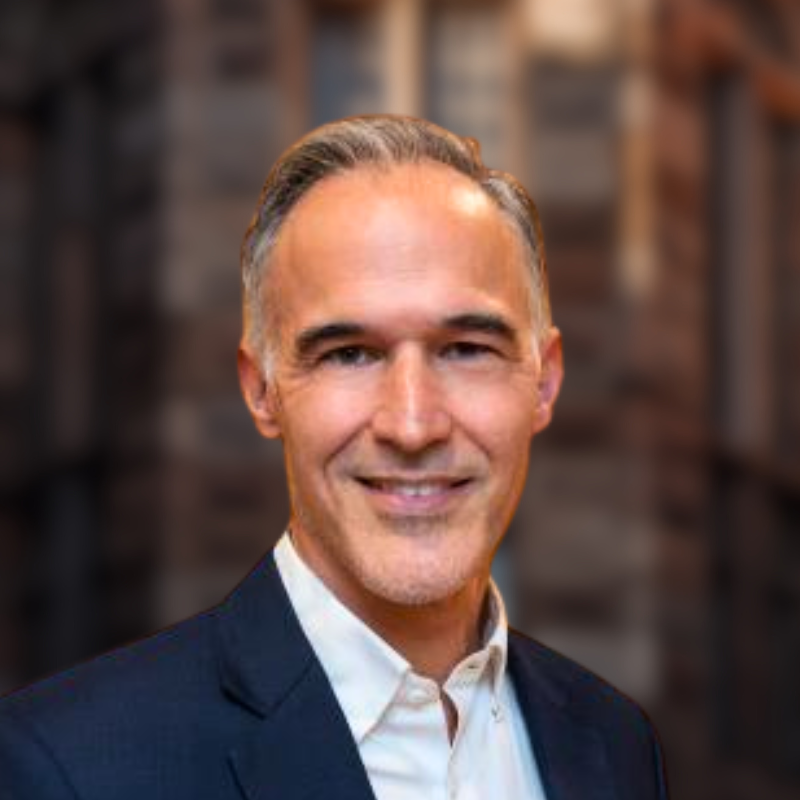
Dr. Bruce Perkins
Keynote Speaker

Dr. Hertzel Gerstein
Moderator
About the author
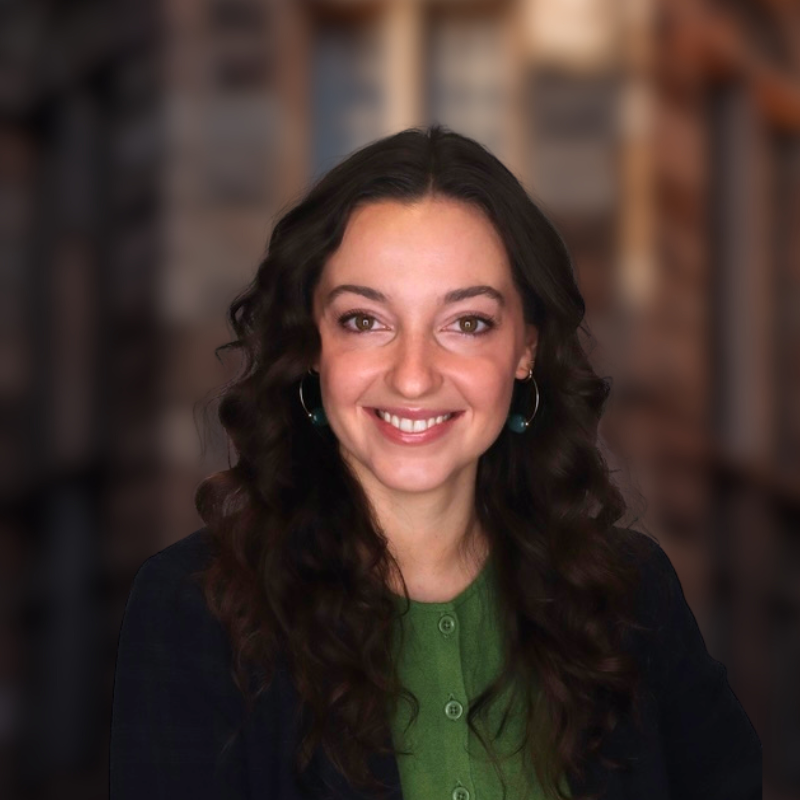
Paige Alliston
Paige is a dietitian and PhD student with an interest in chronic disease management. Her PhD work focuses on testing knowledge mobilization strategies for people with diabetes using an online platform.

articles

Will My Children Inherit My Diabetes?
Diabetes is very common. Although its frequency varies with ancestry, an average of one of every nine or ten Canadians has diabetes. More than 90% of these people have type 2 diabetes, while less than 10% have type 1 diabetes. There is no question that genetics plays a role in the development of both types...
articles
Off-Label Use of Drugs Like Semaglutide and Tirzepatide in People With Type 1 Diabetes
The drugs semaglutide (marketed as Ozempic and Wegovy) and tirzepatide (marketed as Mounjaro and Zepbound) are widely used to treat people with type 2 diabetes. Many large, well-done research studies of thousands of people have clearly shown that these drugs can improve glucose control, reduce the need for other glucose lowering drugs, and promote weight...
articles

How Stem Cells Are Rewriting the Cure for Type 1 Diabetes
Type 1 diabetes develops when the body’s immune system mistakenly attacks its own beta cells – the cells in the pancreas that produce insulin. This means that any cure requires scientists to solve two problems. First, finding a reliable source of healthy beta cells so that they can be transplanted into an affected person. Second,...