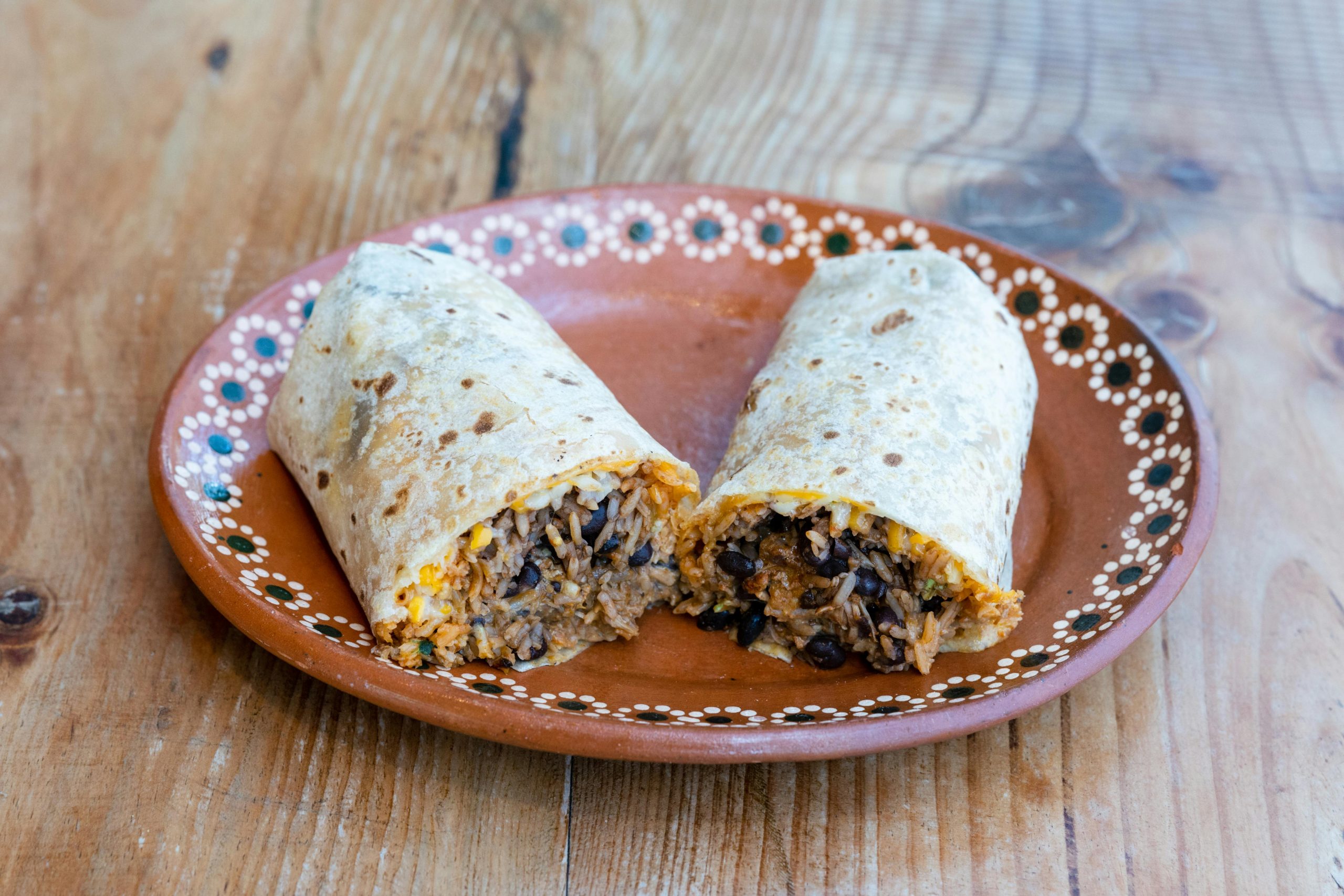
The connection between your nervous system and your pancreas begins before you take the first bite of food. As you wait in line and smell and see your burrito being prepared, your body starts to prepare for eating. Your brain sends signals to the autonomic nervous system, which controls automatic body functions like digestion. These signals are part of the cephalic phase (or brain phase) of eating, and their job is to get your body ready to process the food.
During this phase, your body releases small amounts of insulin even though you have not eaten yet. This early insulin release helps prepare your cells to absorb glucose from your meal and helps keep blood sugar levels stable during and after eating.
After eating, you enter the postprandial phase, meaning the after-meal period. Glucose levels in the body then begin to rise, further stimulating insulin release from the pancreas to lower them. If too much insulin is released and glucose falls too low, your brain signals the pancreas to make another hormone called glucagon, which raises glucose levels. These signals also reach the pancreas through the autonomic nervous system.
The brain is therefore in constant communication with the pancreas through the autonomic nervous system. In people with diabetes, this communication sometimes breaks down in a process called diabetic autonomic neuropathy. In this condition, the nerves that control hormone release stop working properly, and the body may therefore not release insulin before eating or glucagon during low blood sugar episodes or hypoglycemia. The nerve damage may also reduce symptoms of hypoglycemia so that people may not realize their glucose levels are low. When this happens, it is called hypoglycemia unawareness.
The good news is that these problems can often be managed or delayed. Good glucose control over time, careful blood sugar monitoring, minimizing hypoglycemia, and exercise can help prevent autonomic neuropathy and preserve awareness of low blood sugar levels.
About the author

Halie Mei Jensen
Halie Mei is a graduate student in the Department of Physiology at the University of Toronto. As a member of Dr. Cristina Nostro’s lab at the McEwen Stem Cell Institute, Halie Mei studies the role of the neurotransmitter acetylcholine in the maturation and functionality of stem-cell-derived pancreatic beta-like cells. The main goal of her thesis is to improve insulin secretion in these cells for use in cell therapies for diabetes treatments.