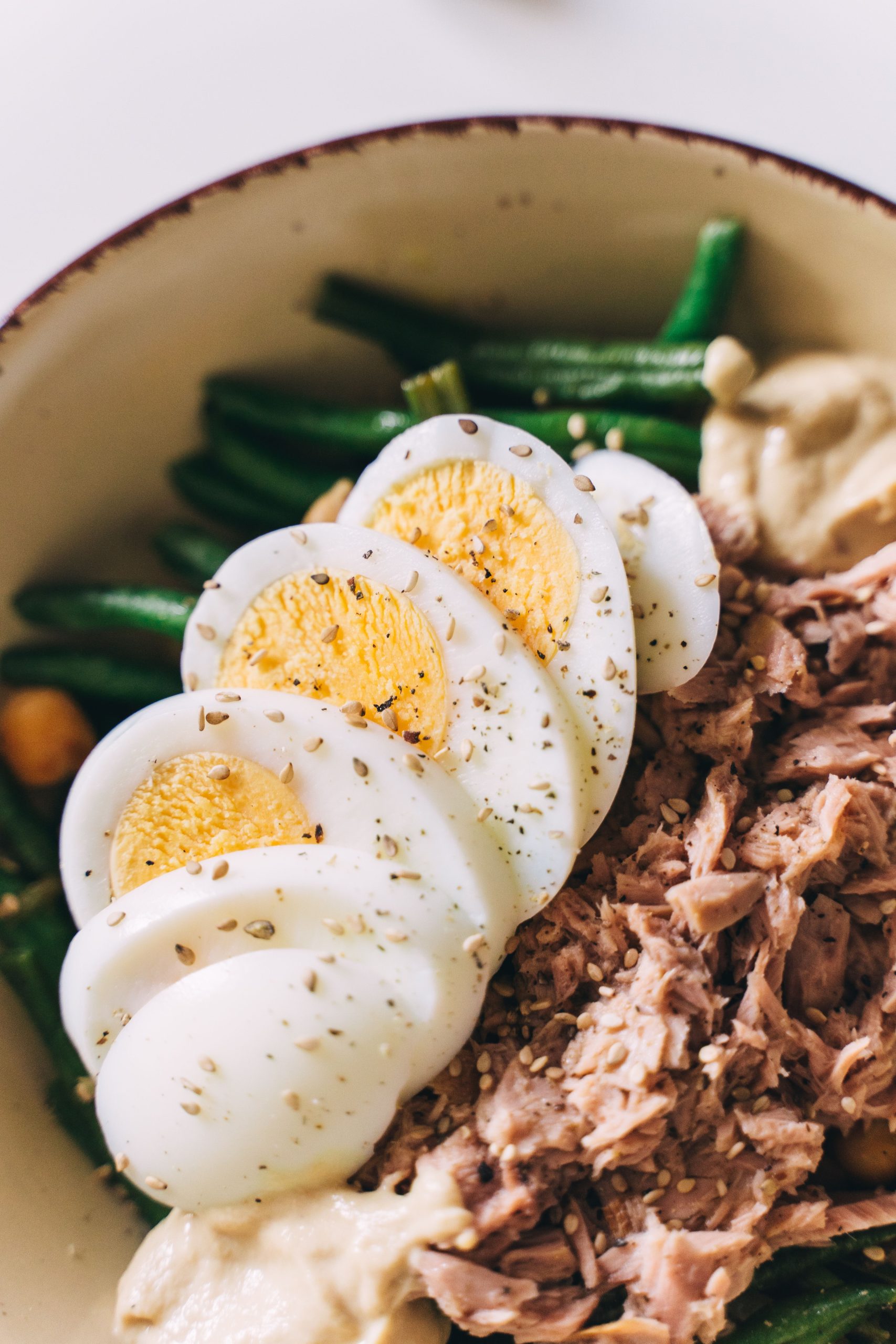
Walk down any grocery store aisle today, and you will see “high protein” labels everywhere. From protein drinks to everyday snacks like cookies, granola bars, and crackers, food brands are adding extra protein to almost everything.
Why is protein suddenly in the spotlight? Food companies are using bold marketing to ride the wave of social media fitness culture. As more people share their fitness goals and weight loss journeys—including those using weight loss medications—keeping muscle mass while losing weight has become a major focus. People in the fitness community often stress eating high-protein foods to repair and maintain muscle during body changes. However, eating extra protein alone will not build muscle unless you pair it with resistance training.
When you look at the science, protein is important, though it is not everything. Your body needs protein to function properly and to help you feel full after eating. For people with diabetes, eating protein with meals also helps slow down how fast sugar, or glucose, enters the bloodstream. While protein is a great thing to keep in mind when making meals and snacks, you do not need it at every single meal. In fact, research shows that eating too much protein can lead to negative health effects.
Still, losing lean body mass is a real concern during weight loss. This is especially true for older adults, people at higher risk for muscle wasting, and those who lose weight for any reason. So, is the answer to combat this risk just to eat lots of protein? Not quite. People following a weight-loss diet or on weight loss drugs should ensure that they remain active and maintain their protein intake to avoid muscle loss. Combining moderate dietary changes with tailored resistance training (i.e., weight lifting) is the best way to protect muscle loss and support muscle growth in the long term.
Today’s obsession with protein comes from social media buzz rather than solid science. The next time you see a health claim like “high protein” on the grocery store shelves or on your social media feed, consider questioning the evidence behind the claim before believing the hype. If you are interested in learning more about a balanced diet for diabetes, speak to a registered dietitian to learn more about how you can incorporate the recommended amount of protein to support your health goals.
About the author

Paige Alliston
Paige is a dietitian and PhD student with an interest in chronic disease management. Her PhD work focuses on testing knowledge mobilization strategies for people with diabetes using an online platform.

articles

Food Noise and Food Peace With Diabetes
Managing diabetes involves many daily decisions, and food is one part of that. For some people, thoughts about eating can become constant or distracting. It may feel like food takes up a lot of space in your mind. This ongoing stream of thoughts is sometimes called “food noise.” Food noise can show up in different...
articles

Simple Diet Changes After a Diabetes Diagnosis
Being diagnosed with diabetes can feel overwhelming at first. There is a lot to learn, and it is normal to have questions and worries about your long-term health. The good news is that focusing on a few simple dietary changes can make a big difference. These first steps don’t need to be complicated, and they...
articles

What Does It Mean When We Talk About Lifestyle?
Lifestyle management is considered a core component of diabetes care. When someone talks about lifestyle, they’re referring to several approaches to diabetes care that do not require medication. The first approach when we talk about lifestyle may be nutrition therapy. Sometimes people refer to nutrition as their way of eating, their meal plan, or their...