
The beta cells that live in the pancreas normally secrete insulin into the blood stream 24 hours a day. They do this according to two general patterns. First, there is basal insulin secretion. This supplies a constant and low level of insulin to the body over a full 24-hour period, regardless of whether food is being eaten. Second, there is bolus insulin secretion. This occurs in response to eating glucose and other food. It provides a sudden increase or bolus of insulin into the system to help the body efficiently store and use glucose. Both patterns of insulin secretion maintain stable glucose levels both while fasting (basal patterns) and with eating (bolus patterns).
In many people with diabetes, the pancreas is unable to make enough insulin to meet their needs. When this happens, affected people can use two general types of insulin that mimic these effects: basal, or long-acting insulins; and bolus, or short-acting insulins. This blog discusses basal insulin therapies.
Basal insulin works slowly over the entire day. Older basal insulins did not last a full 24 hours, so people often needed more than one injection per day. NPH insulin is the most well-known example of an older basal insulin. Newer basal insulins last longer and provide a more consistent and stable insulin level and insulin effect throughout the full day. Some do this by being absorbed slowly from the injection site, while others last in the blood for a long time after they are absorbed.
Currently, there are two broad types of basal insulin: daily injections and weekly injections. The daily basal insulin types include glargine and degludec insulin. Their stability and long duration of action translate into the lowest risks of hypoglycemia compared to other insulins. This also allows them to be given one daily at any time of day.
Glargine insulin comes in two forms which differ by the amount of insulin contained in a milliliter of fluid (i.e., the concentration). U100 glargine contains 100 units in every milliliter. It is marketed as Lantus® or Basaglar® and lasts about 18-24 hours. It is generally steady but can have a small peak, which means it may occasionally increase the risk of low blood sugar in some people. Some people may notice the effect does not last for 24 hours either. U300 glargine contains 300 units in every milliliter. Interestingly, this higher concentration makes it last longer. It is marketed as Toujeo® insulin.
Degludec insulin also comes in two concentrations and is marketed as Tresiba® U100 and U200. Like U300 glargine, it generally lasts longer than 24 hours, and provides a stable and steady level of insulin in the body.
The most recently introduced basal insulin is a once weekly insulin injection called insulin icodec. It is marketed for people with type 1 or type 2 diabetes under the name Awiqli®. Like all basal insulins, it can be given together with bolus insulins if these are also needed.
There is now a wide set of choices for basal insulins, that all make it easier to safely replace insulin in people with diabetes.
About the author

Shamma Boushahri
Shamma is an endocrinologist specializing in diabetes, lipid disorders, and endocrine disorders in pregnancy. She is passionate about translating evidence-based medicine into clear, practical guidance for both patients and healthcare professionals, with the goal of making high-quality medical information more accessible. Her work also focuses on improving healthcare delivery and patient outcomes through clinical research, optimizing systems of care, and advancing medical education.

articles
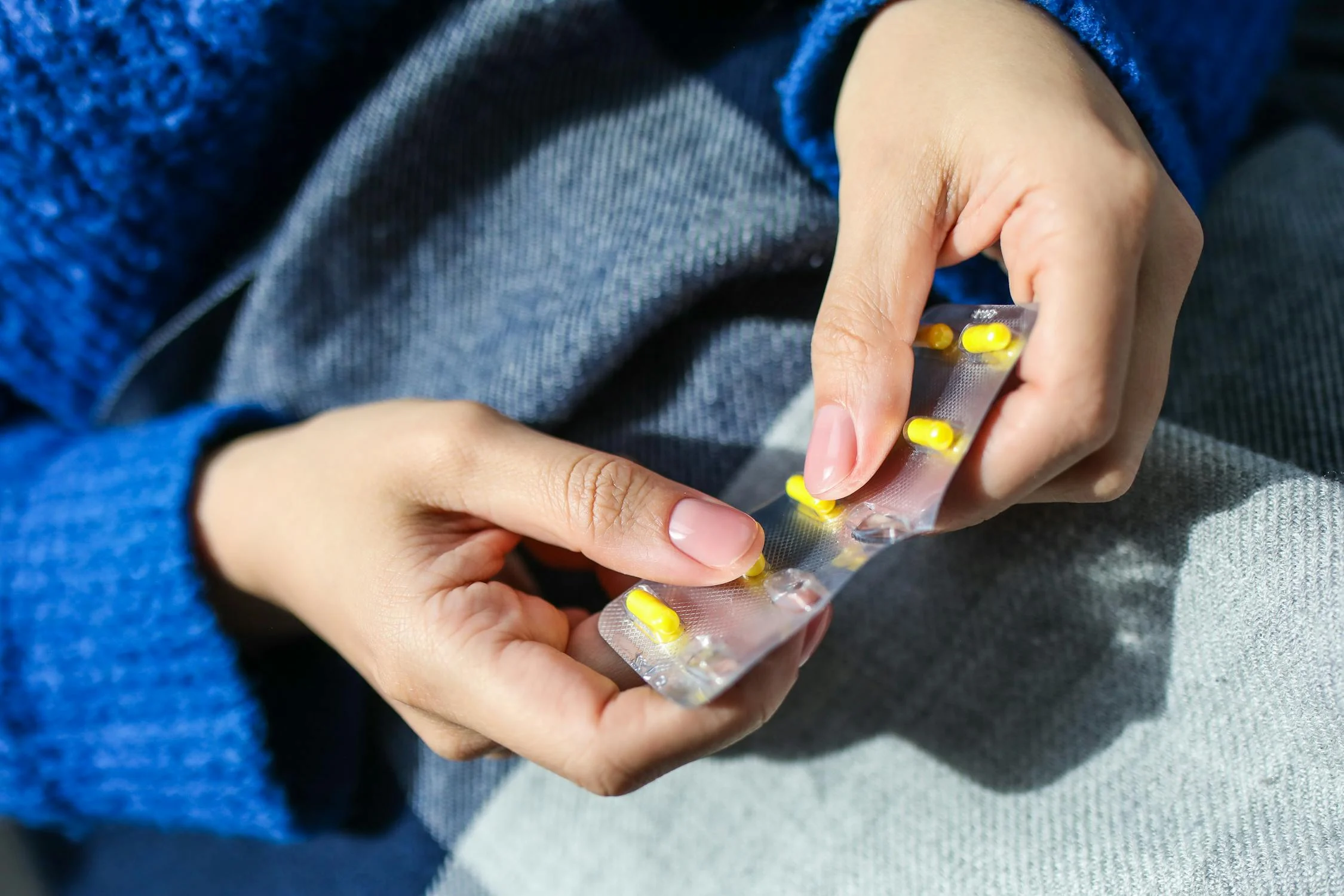
Tips and Tricks that Make Taking Medications Easier
When you live with diabetes, it is common to be prescribed several different pills and/or injections. Have you ever found it hard to remember to take them on time? Do you find it hard to follow all the instructions all the time? You’re not alone! Missing pills or injections is common and occurs more often...
articles
What does that drug do? Focus on Linagliptin
Possible doses: Linagliptin is a safe glucose lowering drug that can be taken once or twice daily. The maximum glucose lowering is achieved with 5 mg once daily or 2.5 mg twice daily. It may be combined with Metformin in a combination pill. What it does: Linagliptin modestly lowers glucose levels in people with type...
articles
What does that drug do? Focus on Tirzepatide
Possible doses: Injectable tirzepatide is a glucose lowering drug that is taken once weekly by injection. The weekly dose for the treatment of type 2 diabetes ranges between 2.5 mg to 15 mg. What it does: In addition to lowering glucose, randomized controlled trials have shown that injectable tirzepatide reduces weight. How it works: Injectable...