People with type 1 diabetes have extremely low, or absent insulin levels. This usually occurs because their immune system attacks and destroys the insulin producing cells in their pancreas. Insulin is a crucial hormone that maintains the health of muscle and fat and prevents glucose levels from rising. In its absence, muscle and fat are broken down, glucose rises, and dehydration, weight loss, infections and a life-threatening condition called diabetic ketoacidosis can develop. This can only be prevented with insulin, which is why people with type 1 diabetes must take insulin every single day. And because insulin is not absorbed through the gut, it needs to be delivered by injection (to the body under the skin).
The good news began in 1922, when Canadian researchers Banting, Collip, McLeod and Best discovered insulin therapy. Since then, a wide variety of insulin preparations have been developed. Indeed, there are now insulins that can be given weekly, several times daily with meals, and overnight using various pens, cartridges and syringes. Insulin can also be given continuously over 24 hours with computer-driven, wearable insulin pump that pushes insulin under the skin through a small catheter.
The amount of insulin that an individual needs varies from person to person and is determined by the glucose levels. Some need more, and some need less insulin to maintain normal glucose levels. That is why people with type 1 diabetes need to measure their glucose levels either by pricking their finger or by wearing a continuous glucose monitor (CGM). This can help them know how much insulin to give, when they are not eating, and how much they need to give with meals.
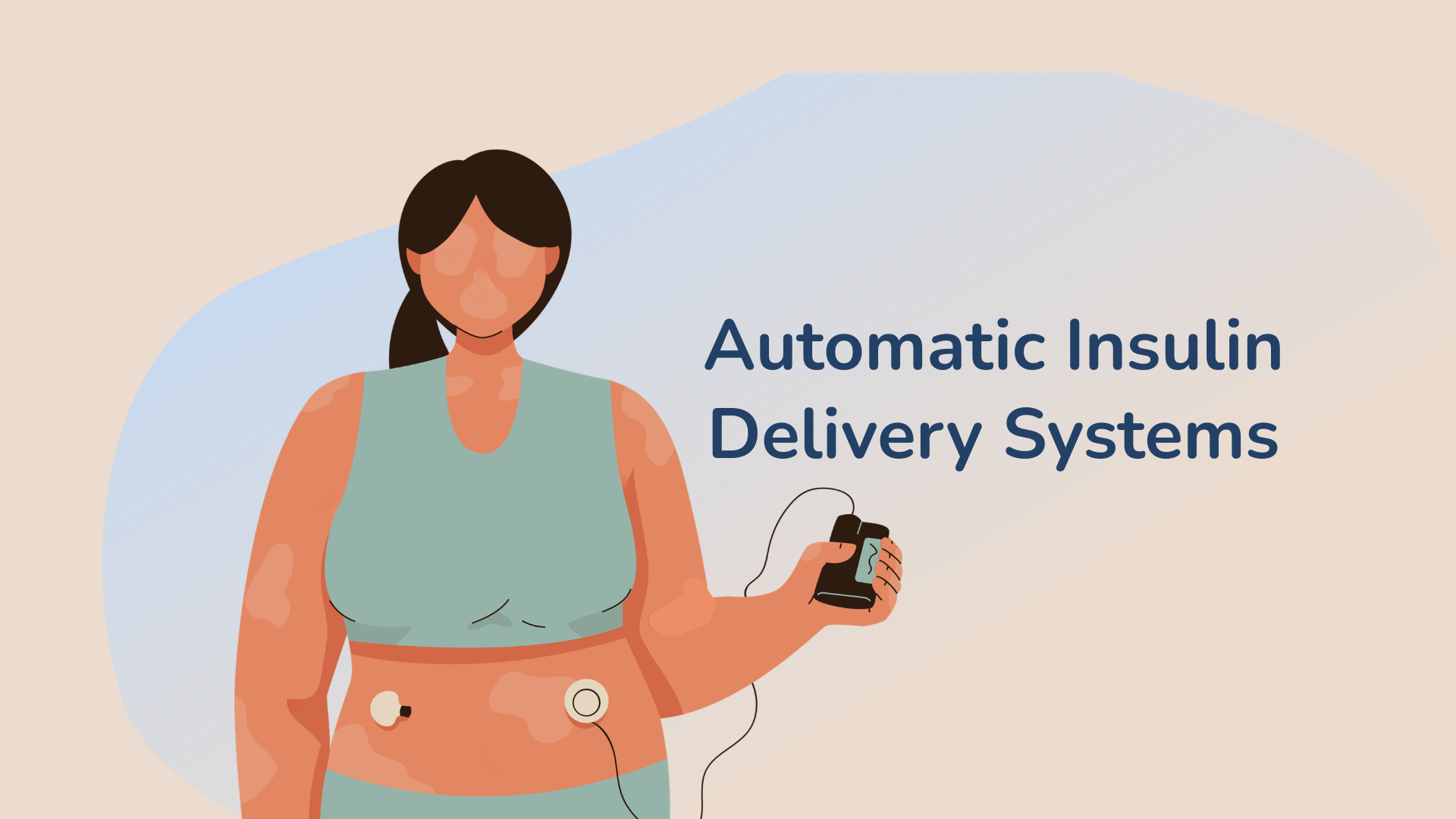
With the arrival of CGM plus sophisticated computer programs, medical science has developed automated insulin delivery systems, sometimes summarized as AID systems. This includes a CGM that wirelessly transmits glucose levels to a computer that controls the amount of insulin that a small wearable pump (the size of credit card but thicker) delivers under the skin. Much research has shown that such a system leads to better glucose control and lower rates of hypoglycemia and hyperglycemia compared to traditional ways of taking insulin when used by people with type 1 diabetes. These systems work best when people are not eating. Because an AID system cannot automatically decide how much insulin somebody needs for a meal, it needs to be given an estimate of the amount of carbohydrate being eaten, so it can provide the appropriate amount of insulin for that meal. Notably, new technologies to deal with meals are now in development. Another name for an AID system is a closed loop system. This is based on the link between the CGM, the computer controlling the insulin pump, and the pump which makes a “feedback loop”. More accurately they are called hybrid closed loop systems because it’s a hybrid combining of automatic insulin delivery for fasting, and patient input before meals.
What is very clear is that this technology is getting better every year. Importantly, many provinces in Canada provide financial support for AIDs. This is great to know, because of the benefit they have on glucose levels, the day-to-day work of managing diabetes, the risk of hypoglycemia and hyperglycemia, and even quality of life.
About the author

Hertzel Gerstein
Hertzel is an endocrinologist and professor at McMaster University who is in high demand as a speaker, advocate, and educator on diabetes-related topics. His research focuses on using large, international randomized trials to identify and test new ways of preventing type 2 diabetes, reducing serious health outcomes like strokes and death, and achieving type 2 diabetes remissions.

articles

What Are the Types of Insulin Therapy?
There are 2 broad types of insulin therapy. They are basal insulin, also called long-acting insulin, and meal-related or prandial or short-acting insulin. All insulins must be given by injection, because it cannot be absorbed through the intestines. Basal insulin is typically injected once or twice daily. There is also one type of basal insulin...
articles

When Does Insulin Need to be Added?
Diabetes occurs when your body can’t properly manage blood sugar, or glucose, which is the main fuel for your cells. This happens because the pancreas either doesn’t make enough of the hormone insulin, or the body can’t use the insulin it produces effectively. Insulin’s job is to act like a key, unlocking your cells so...